Services / Full & Partial Dentures
Looking for dentures in Vancouver, BC?
Replace missing teeth with a treatment plan designed for your needs. Call today!
Full & partial dentures in Vancouver, BC, bring smiles back to life
Are you suffering from tooth loss? Our dental care in Vancouver can help. One of the effective restorative options we provide to patients is full & partial dentures in Vancouver. These dental appliances are designed to provide both esthetic and functional benefits, allowing individuals to regain their confidence. Dentures in Vancouver can offer a trusted solution to restore lost smiles. With proven technology and dedicated professionals, dentures bring back the joy of smiling with renewed self-assurance.
Dentures are removable dental appliances crafted to replace missing teeth and some surrounding gum tissue. Full dentures can replace all teeth in an upper or lower arch, while partial dentures fill spaces when some natural teeth remain. They are made to fit the shape of the mouth and rest over the gums. Partial dentures may also use remaining teeth for support.
4 benefits of dentures
Function
Supports everyday chewing
Speech
Helps replace missing teeth
Appearance
Fills visible tooth gaps
Support
Helps maintain facial form
How partial dentures work
Partial dentures in Vancouver can offer a practical solution for missing teeth. They may be ideal for when some adjacent teeth are no longer there, and nearby teeth can’t support a dental bridge. Partial dentures aren’t just for looks; they are crafted to help you perform routine tasks like chewing food and speaking. Enjoy a confident smile and improved chewing with partial dentures tailored to your needs.
How full dentures work
Also known as "complete dentures," full dentures can replace a full set of missing teeth. Just like getting partial dentures in Vancouver, complete dentures are designed to support easy removal for manageable cleaning.
Why dentures matter
Losing one or more teeth can cause discomfort and difficulties chewing, leading to limited food choices and poor nutritional intake. Additionally, missing teeth can result in a lack of stimulation for the jaw, causing the gum tissue and jawbone to recede.
Who may benefit from dentures?
Dentures may be considered when several teeth or all teeth in an arch are missing. Full dentures are used when no natural teeth remain in that arch. Partial dentures may be suitable when healthy natural teeth remain and can work with the appliance. Denture needs can also change over time as the mouth changes. An examination helps determine which tooth replacement approach is appropriate for each person.
Missing several teeth can make daily activities such as eating and speaking feel different. If you are exploring dentures in Vancouver, Gentle Dental Vancouver can help you understand your tooth replacement options without pressure. Our team considers your remaining teeth, gums, bite, and everyday needs before discussing treatment. Our dentist can explain the difference between full and partial dentures, what the fitting process involves, and how to care for your appliance. Clear information can help you feel more prepared when making decisions about your oral health.
How much do dentures cost in Vancouver, BC?
The cost of dentures can vary depending on several factors, including the type of dentures needed and any additional procedures required for optimal fit and function.
During your consultation, our team will provide you with a personalized treatment plan, including a detailed breakdown of costs associated with your dentures procedure.
What to expect during dentures in Vancouver, BC
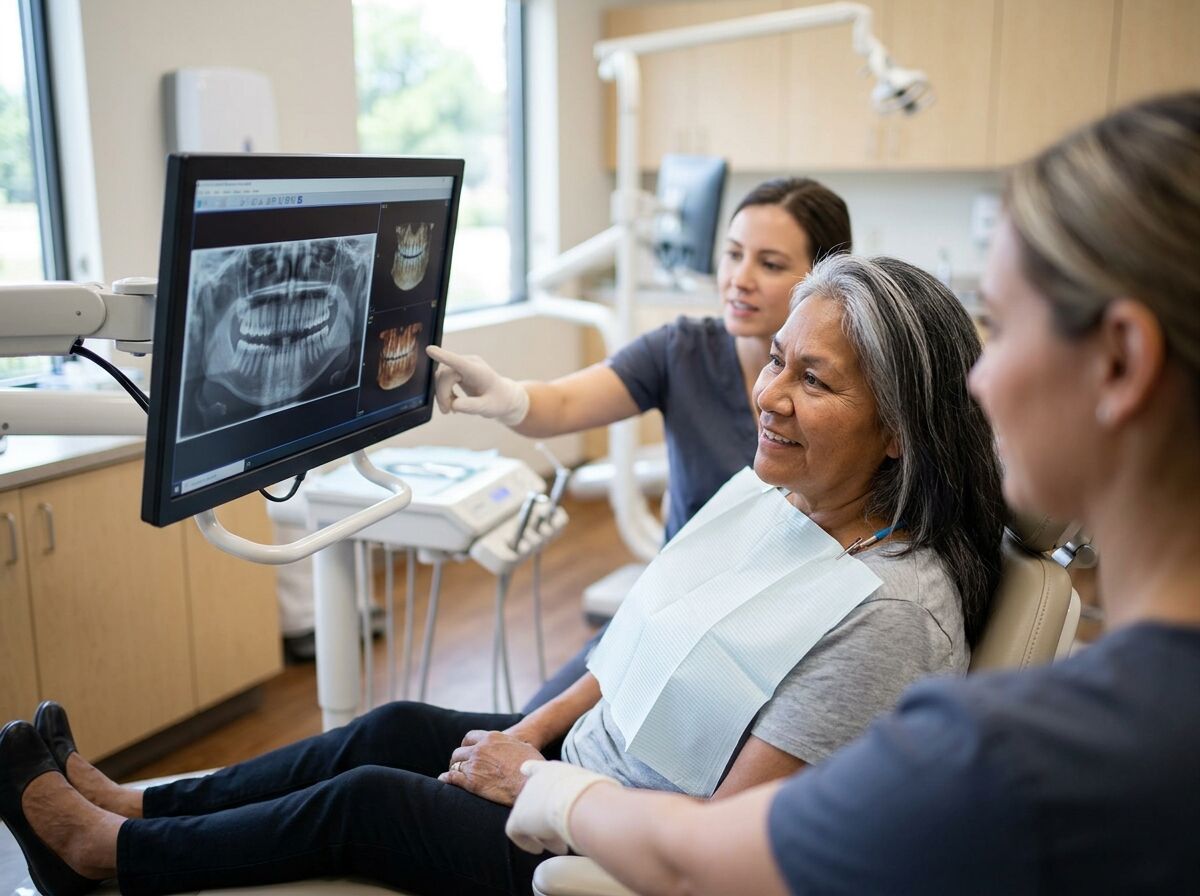
Oral examination
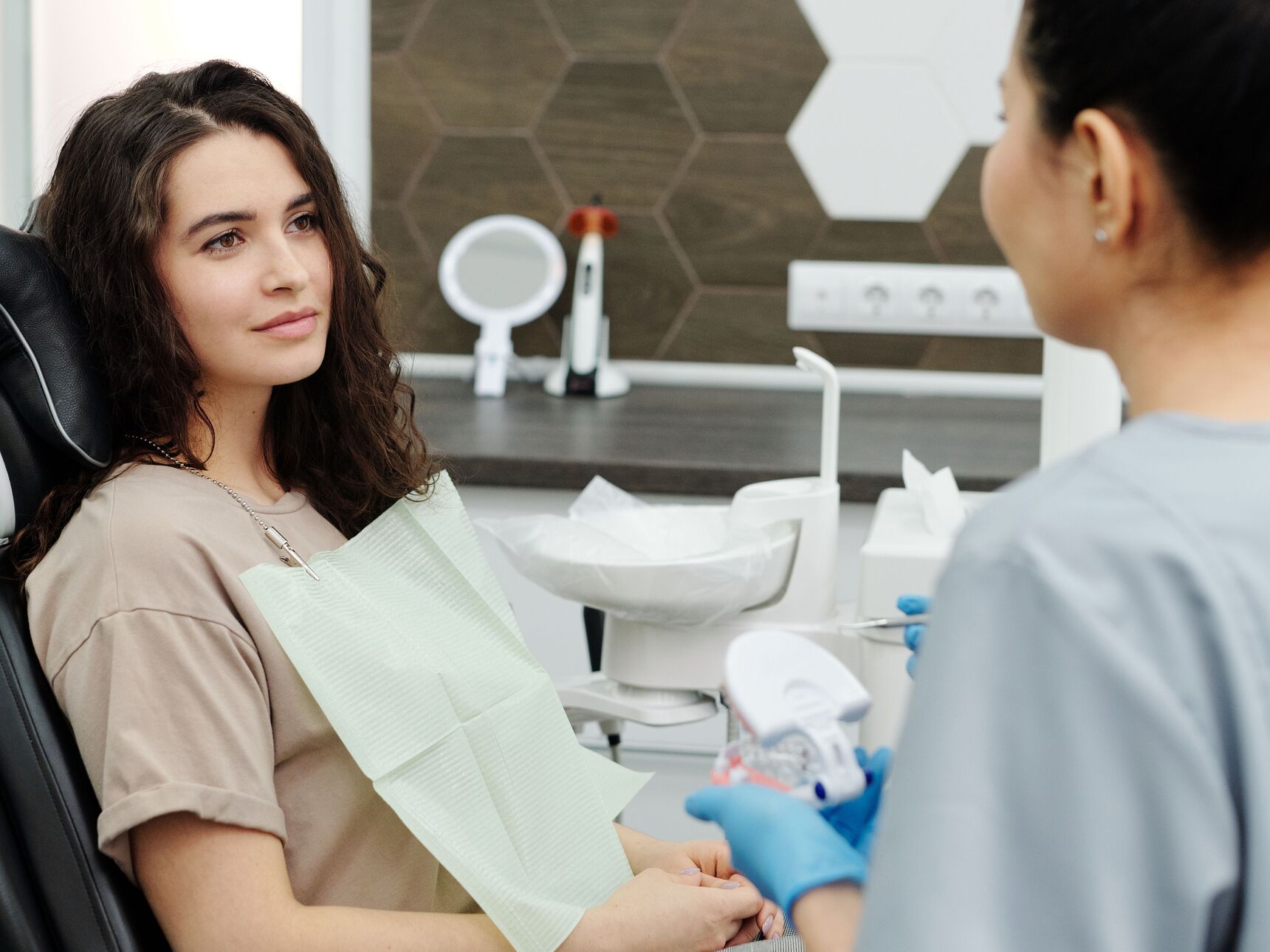
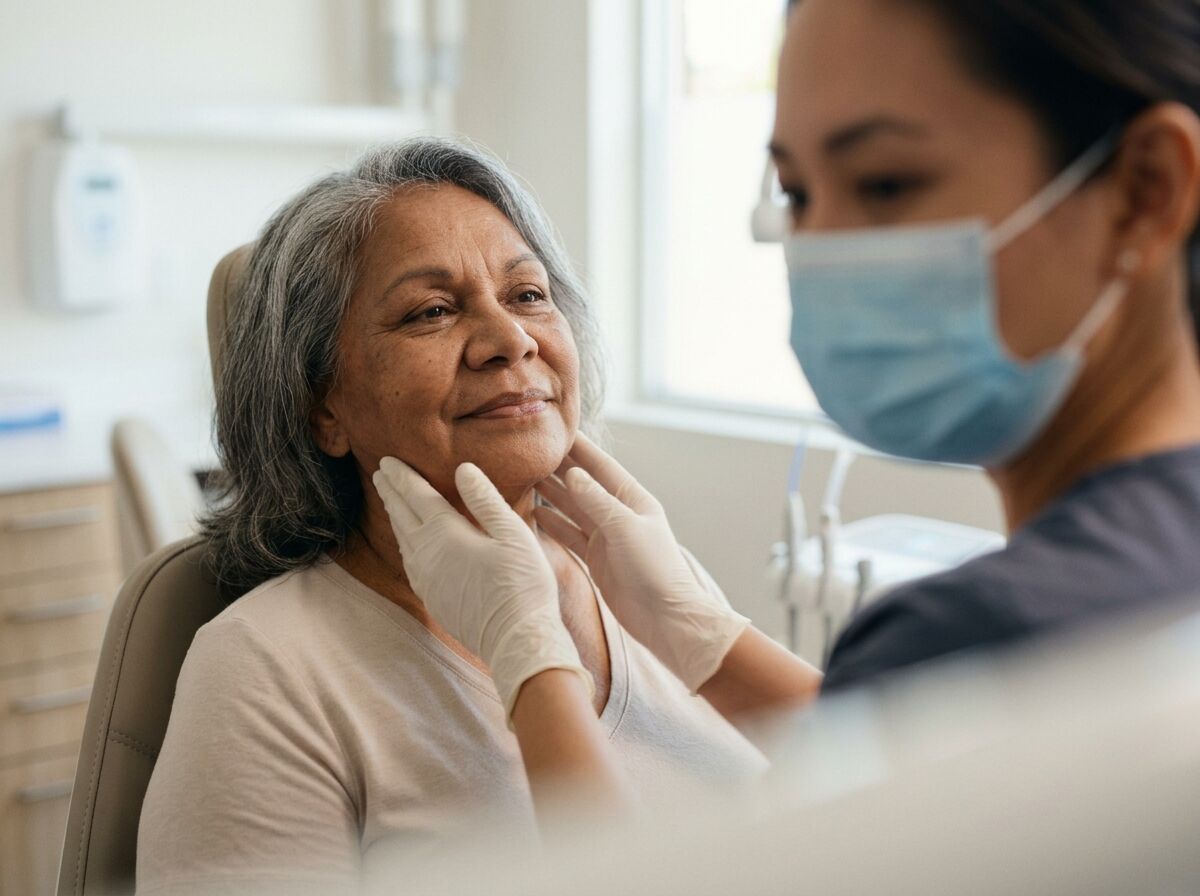
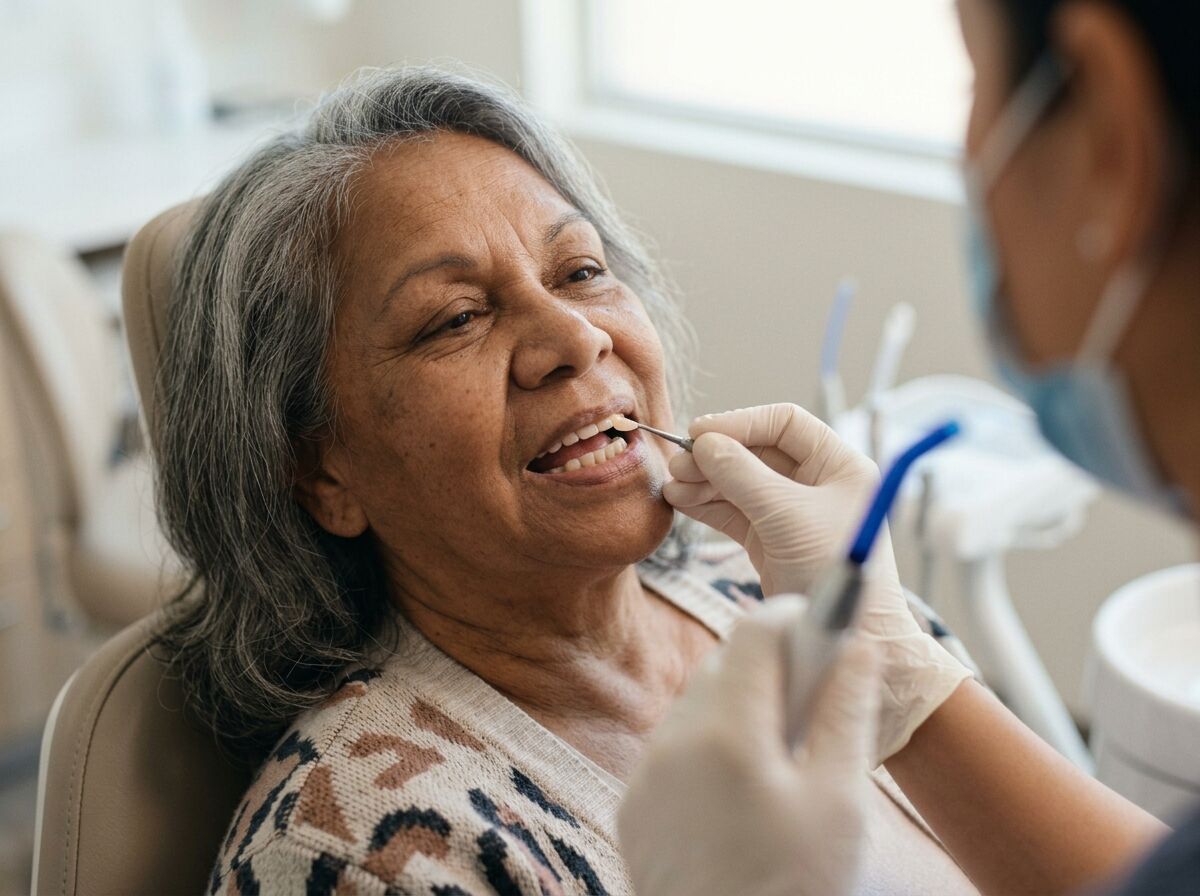
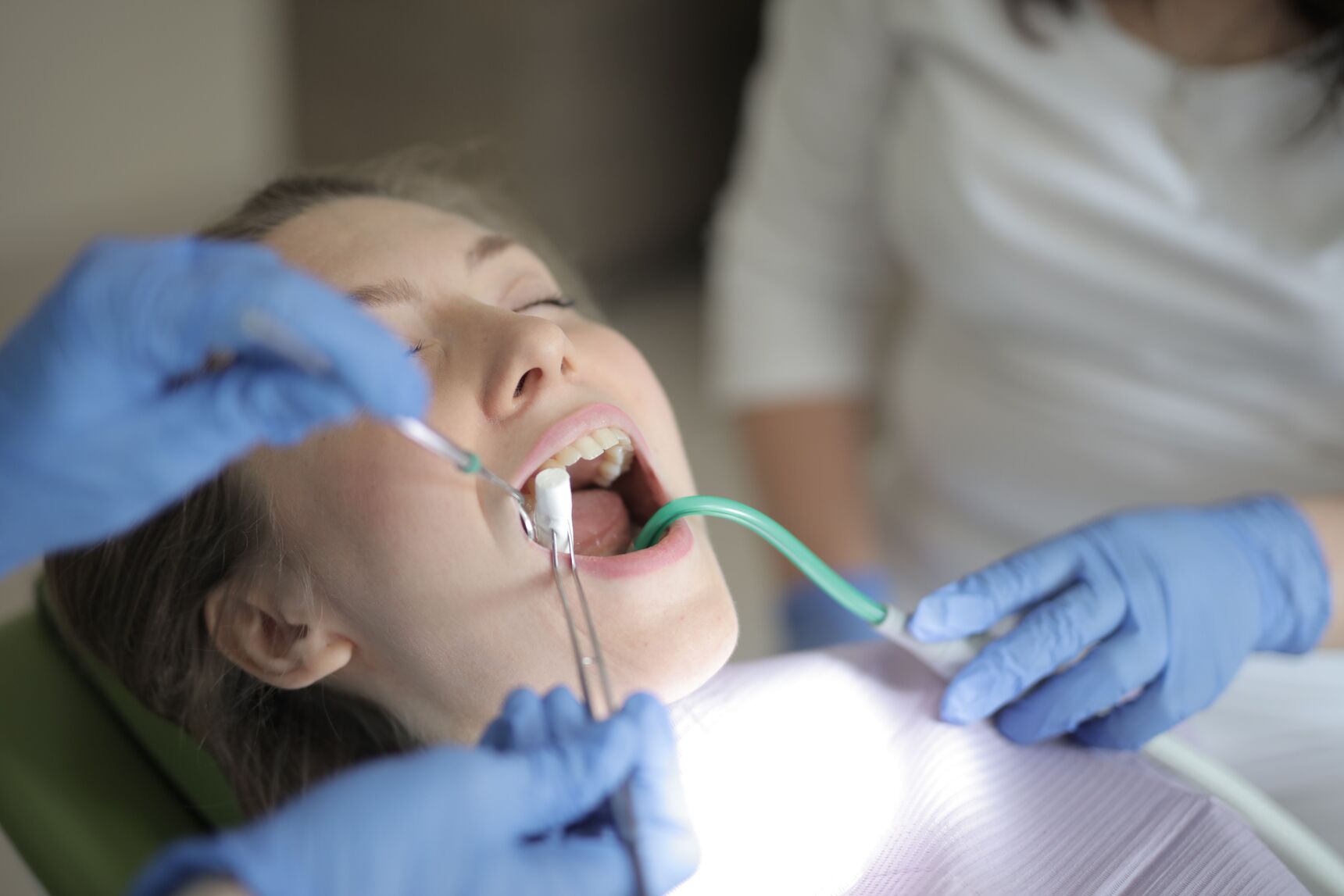
Our dentist examines your gums, remaining teeth, bite, and oral tissues to understand your needs and determine whether dentures may be an appropriate treatment option.
Treatment planning
Our dentist discusses whether full or partial dentures may suit your mouth and explains any dental care that may be needed before the fitting process.
Taking mouth records
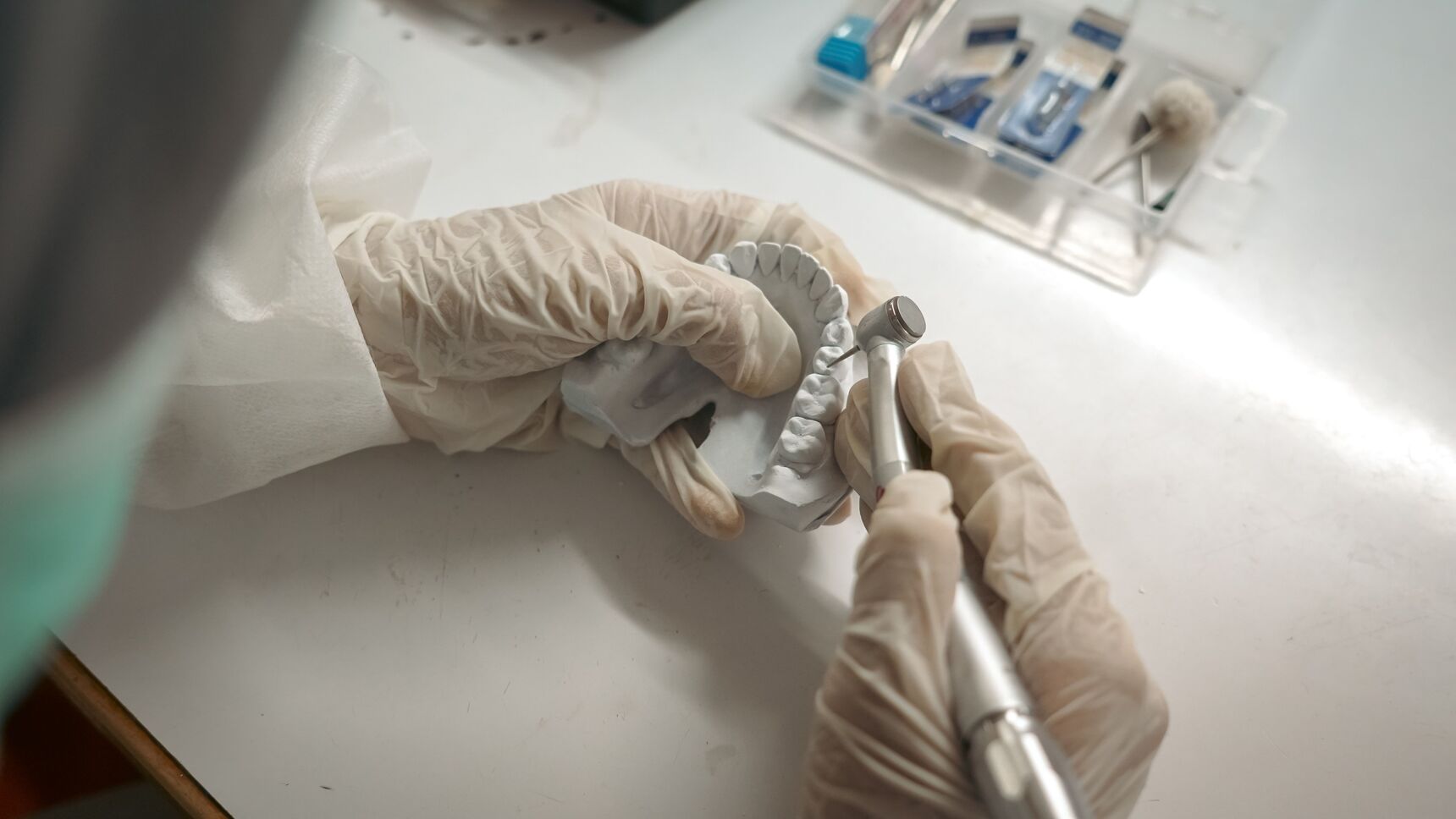
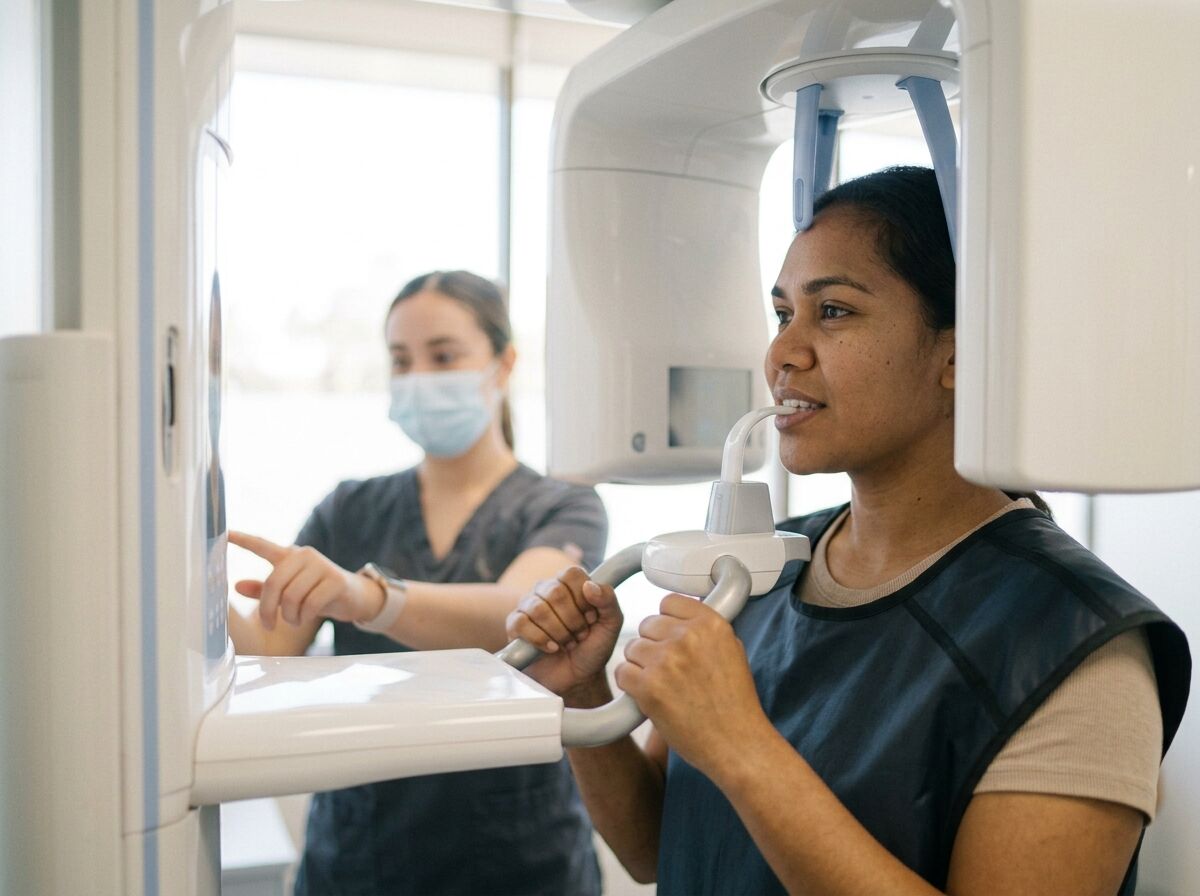
Measurements, impressions, or other dental records are taken to capture the shape of your mouth and help create a denture designed for your oral structures.
Checking the fit
Your denture is assessed in your mouth so our dentist can check its position, bite, and fit, and identify areas that may need adjustment.
Learning daily care
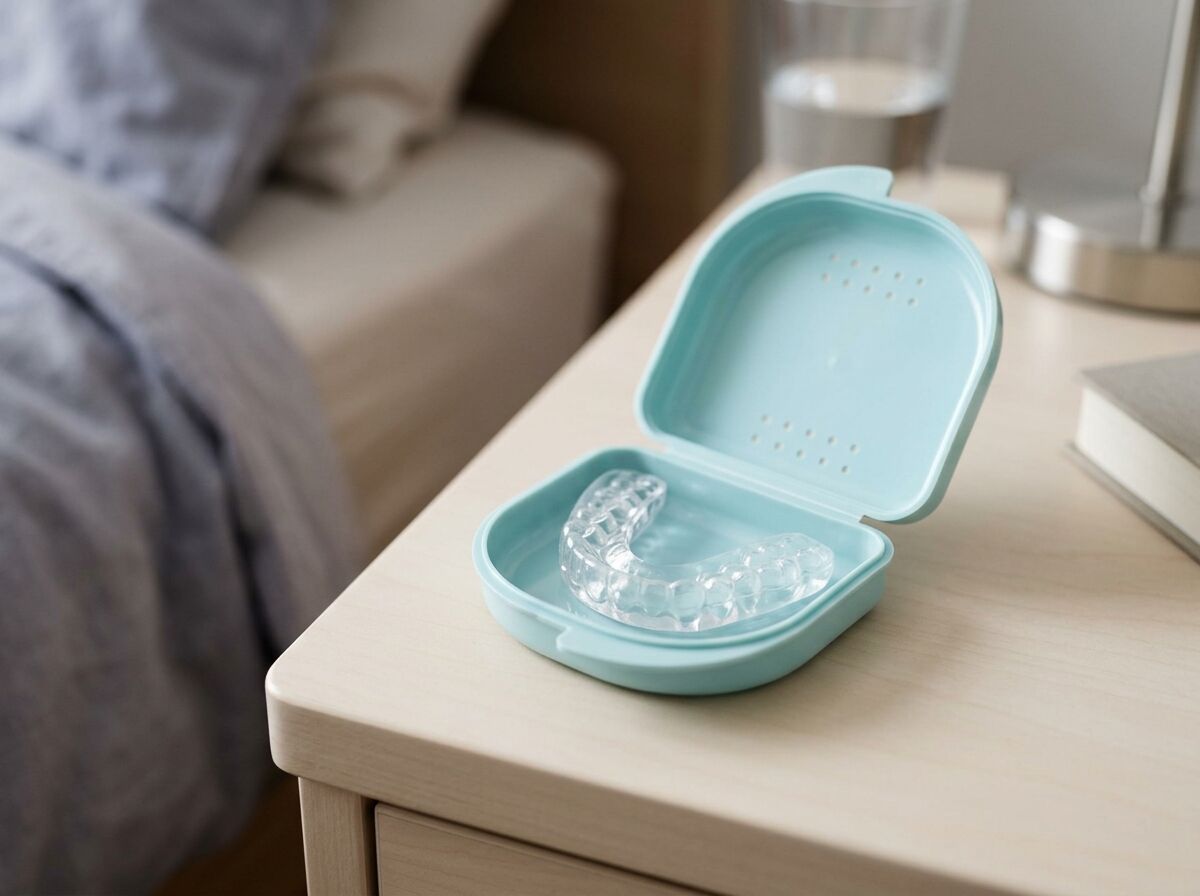
Our team explains how to insert, remove, clean, and store your dentures and what changes to watch for as you adjust to wearing them.
Oral health and overall health
The Canadian Dental Association (CDA) explains that people with dentures still need regular oral care. Gums, the tongue, remaining teeth, and dentures all require cleaning. Regular dental examinations are also important because the mouth can change over time.
The Centers for Disease Control and Prevention (CDC) identifies oral health as an important part of overall health and well-being. Keeping the mouth clean can help manage plaque and support healthy oral tissues, whether a person has natural teeth, dentures, or both.
At-home care after dentures
Can dentures be damaged?
No matter how careful you are with your dentures, damage can occur. Broken clasps and cracks need to be fixed with customized dental care in Vancouver. And about once every two years, you will need to come for a “reline.” These adjustments can help preserve proper fit, function, and ideal aesthetics.
And remember, even if you wear full dentures in Vancouver, you always need to come for your regular six-month (minimum) exam and hygiene visit so that we can continue to monitor for signs of disease, tooth decay, oral cancer, or infection.
Why choose Gentle Dental Vancouver for dentures in Vancouver
Gentle Dental Vancouver provides denture care based on each patient’s oral health and tooth replacement needs. Our dentist examines the mouth before recommending treatment and explains whether full dentures, partial dentures, or another option may be appropriate.
Our team focuses on clear information and individualized treatment planning for patients from Vancouver and the surrounding communities. Recommendations depend on clinical findings rather than promises about results.
About the Gentle Dental Vancouver team
Our team provides thoughtful dental care and clear explanations to help patients understand their treatment options and next steps.
Ready to get started?
Replacing missing teeth is a personal decision, and understanding your options can make the process easier to approach. Our team can assess your oral health and explain what denture treatment involves.
If you are considering dentures in Vancouver, an examination can help determine whether full dentures, partial dentures, or another tooth replacement option may meet your individual needs.
FAQs about dentures in Vancouver
What is the difference between full and partial dentures?
Full dentures in Vancouver are custom-crafted to replace all missing teeth in an upper or lower arch. Partial dentures are used when some healthy natural teeth remain and help fill the spaces between them. The type recommended depends on how many teeth are missing, the health of remaining teeth and gums, and how the teeth come together when biting.
How long does it take to get used to dentures?
Adjusting to dentures can take time because your mouth must learn how the appliance feels during eating and speaking. Some people notice extra saliva or mild pressure at first. Fit should be monitored during this period. Ongoing sore areas, slipping, or changes in your bite should be discussed with our dentist.
Can I eat normally while wearing dentures?
Eating with new dentures often requires an adjustment period. Starting with softer foods and smaller pieces may make chewing easier while you learn how the appliance moves in your mouth. Foods can gradually be added as you adapt. Very hard or sticky foods may be difficult to manage and can place extra stress on dentures. Have questions? Call us at (604) 260-1571.
Do dentures need to be cleaned every day?
Yes. Dentures should be cleaned regularly to remove food, plaque, and other debris. Removable dentures also need careful handling because they can be damaged if dropped. Natural teeth, gums, and the tongue still need daily cleaning. Following the cleaning and storage instructions provided for your specific appliance helps support good oral hygiene.
How do I know whether dentures are right for me?
Our dentist considers how many teeth are missing, the condition of your remaining teeth, gum health, bite, and other oral health needs. Full or partial dentures may be among the options discussed after an examination. Visit our Contact page to schedule your customized consultation today.
Why can dentures become loose over time?
The gums and bone beneath dentures can change after teeth are lost, which may affect how an appliance fits. Normal wear can also change the way denture teeth meet during chewing. A denture that starts slipping, rubbing, or feeling different should be examined so our dentist can assess the appliance and your oral tissues.
Do I still need dental visits if I have dentures?
Yes. Dental visits remain important even when all natural teeth have been replaced. Our dentist can examine your gums, tongue, and other oral tissues while also checking the condition and fit of your dentures. If natural teeth remain, regular examinations also help monitor those teeth and the areas supporting a partial denture. Contact us at (604) 260-1571 to get started.