Services / Bruxism Nightguards
Looking for bruxism nightguards in Vancouver, BC?
Protect your teeth from grinding with a custom nightguard made just for you. Call today!
Our dental team can treat bruxism in Vancouver, BC
Bruxism is a condition that causes you to grind, gnash, or clench your teeth. It usually occurs during the nighttime, while you’re asleep. It can also happen in the middle of the day during stress or frustration. If untreated, it can lead to significant damage and pain. Fortunately, our Vancouver dentists offer bruxism treatment. It’s not something you have to endure any longer.
What are bruxism nightguards in Vancouver, BC?
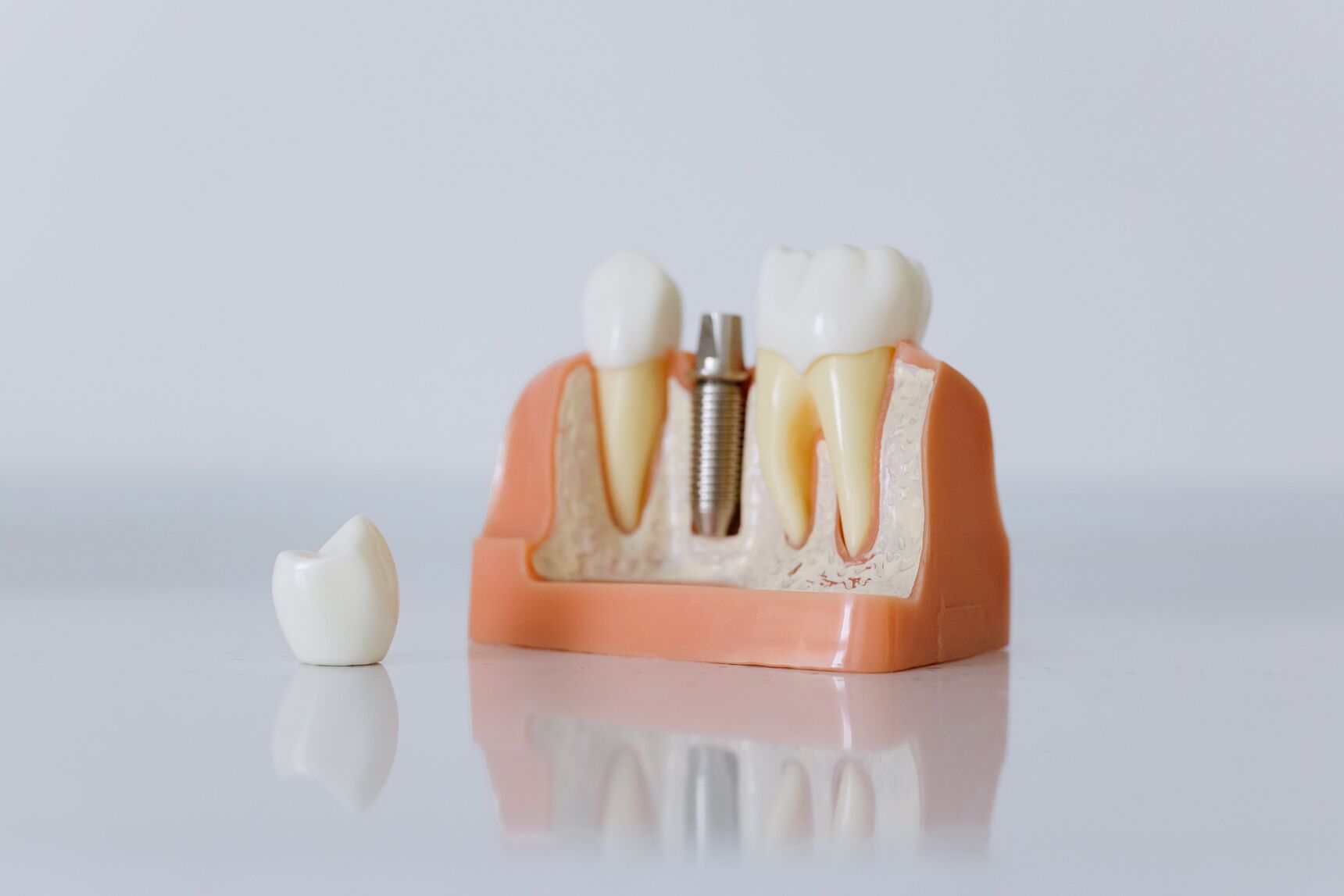
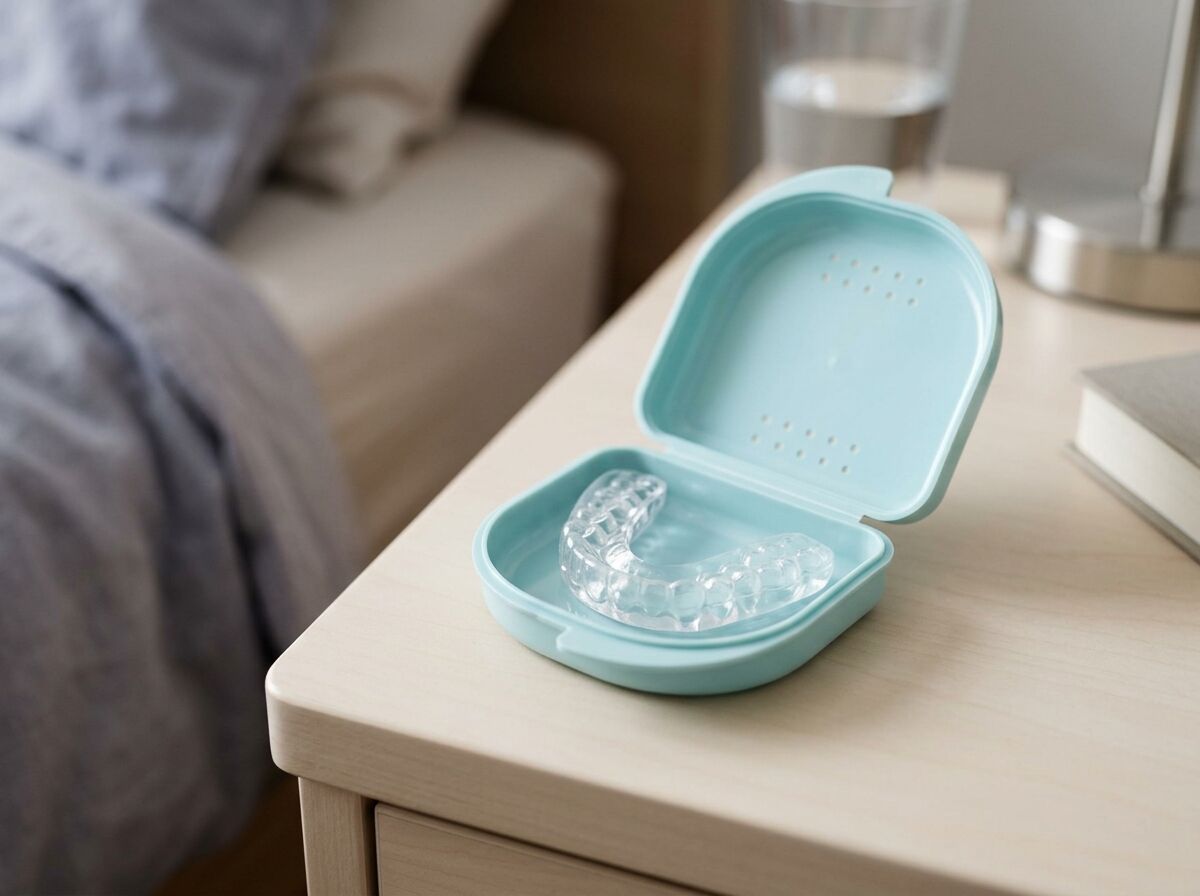
Bruxism nightguards are removable dental appliances worn over the teeth, usually while sleeping. They do not replace teeth. Instead, they are designed to protect natural teeth and dental work from damage caused by grinding or clenching. A nightguard creates a protective barrier between the upper and lower teeth. This can reduce direct tooth-to-tooth contact and limit wear while you sleep.
4 benefits of bruxism nightguards
Protection
Helps limit tooth wear
Comfort
Cushions grinding forces
Support
Protects dental restorations
Fit
Made for your teeth
Why bruxism nightguards matter
Teeth grinding and jaw clenching can place repeated pressure on teeth. Over time, bruxism may contribute to worn enamel, small cracks, tooth sensitivity, or damage to dental restorations. Because grinding often happens during sleep, some people may not know they are doing it.
A properly fitted nightguard can help safeguard tooth surfaces from repeated contact and reduce further wear while the cause and effects of bruxism are monitored.
Who may benefit from a nightguard?
A nightguard may be considered when there are signs of repeated grinding or clenching. These signs can include flattened tooth surfaces, chipped enamel, morning jaw tiredness, or wear on dental work. Some people also notice that a family member hears them grinding at night.
Since these symptoms can have different causes, an oral examination helps our dentist assess the teeth, bite, jaw, and existing restorations before recommending an appliance.
The most common symptoms of bruxism include:
- worn tooth structure
- a stiff or painful jaw
- headaches in the morning
- a popping sound from the jaw joint
- sores inside your cheek
- painful gums
- damaged or sensitive teeth
- exhaustion due to lack of sleep.
Waking with a tired jaw or noticing worn teeth can be concerning, especially when you are unsure what happens while you sleep. Patients looking for bruxism nightguards in Vancouver often want a simple way to protect their teeth from repeated grinding forces. Gentle Dental Vancouver provides clear information about nightguard options and what they can and cannot do. Our team can examine signs of wear, discuss your symptoms, and explain how a custom appliance may fit into a broader plan for protecting your oral health.
What to expect during bruxism nightguards in Vancouver, BC
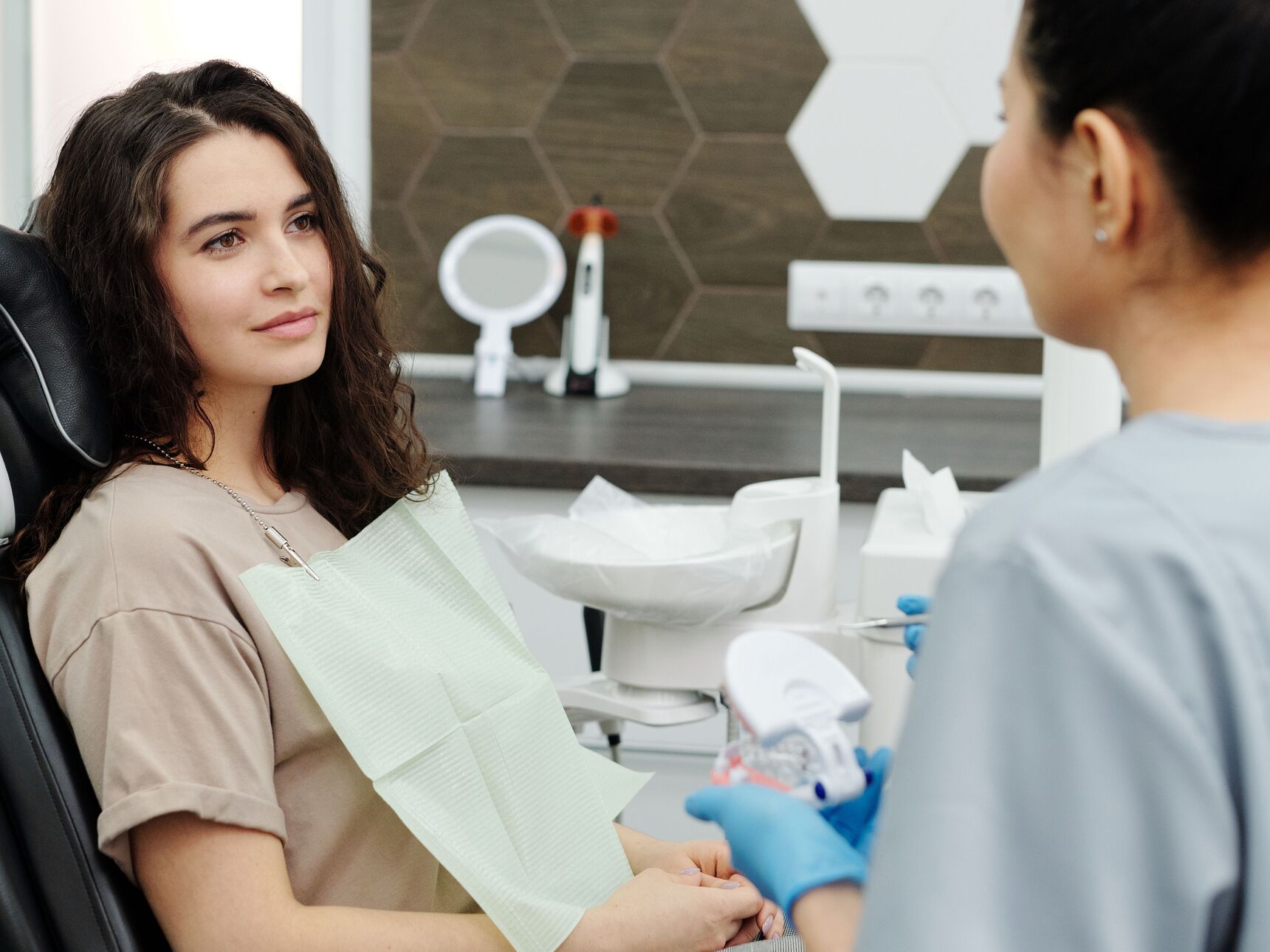
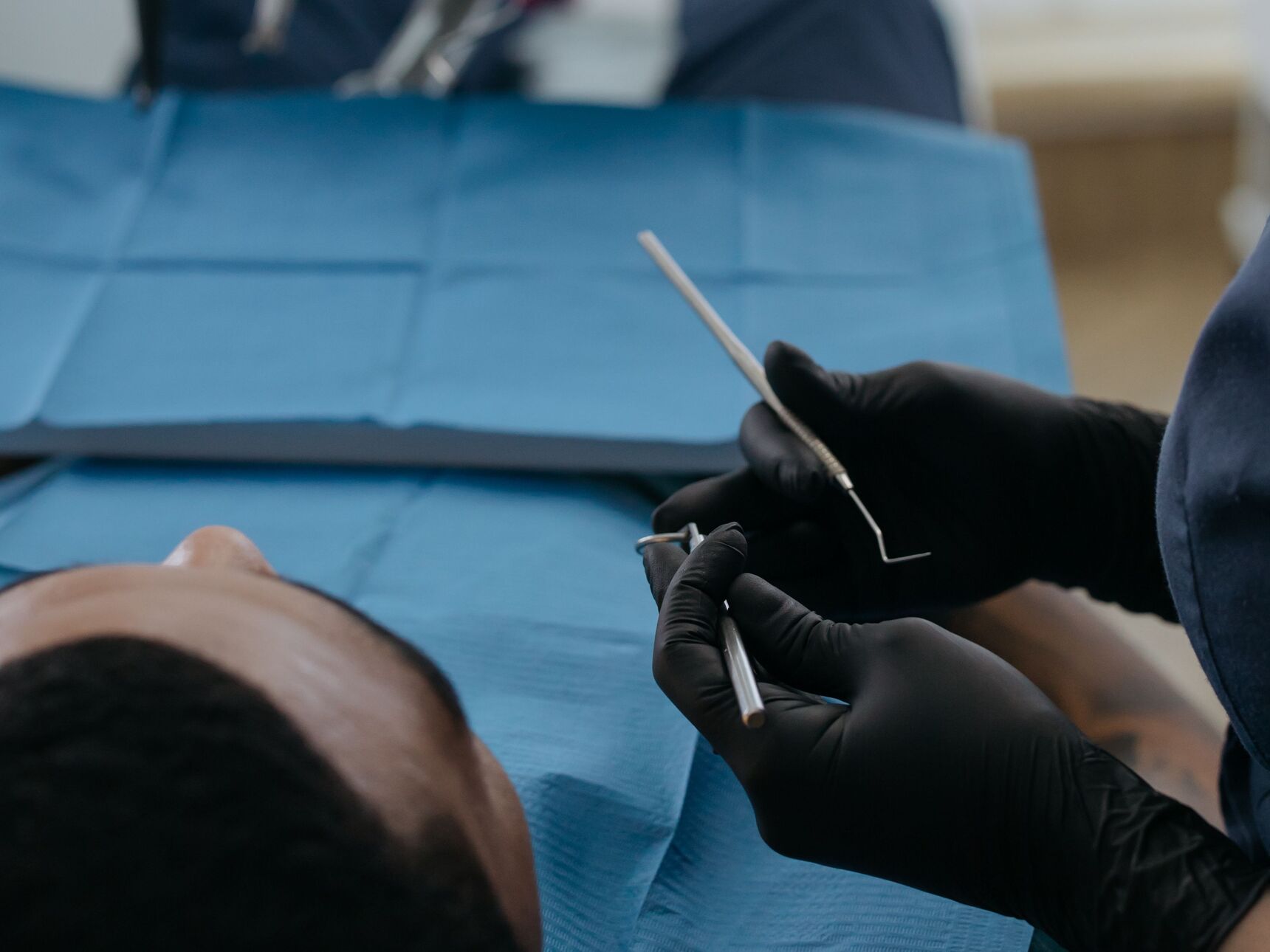
Oral examination
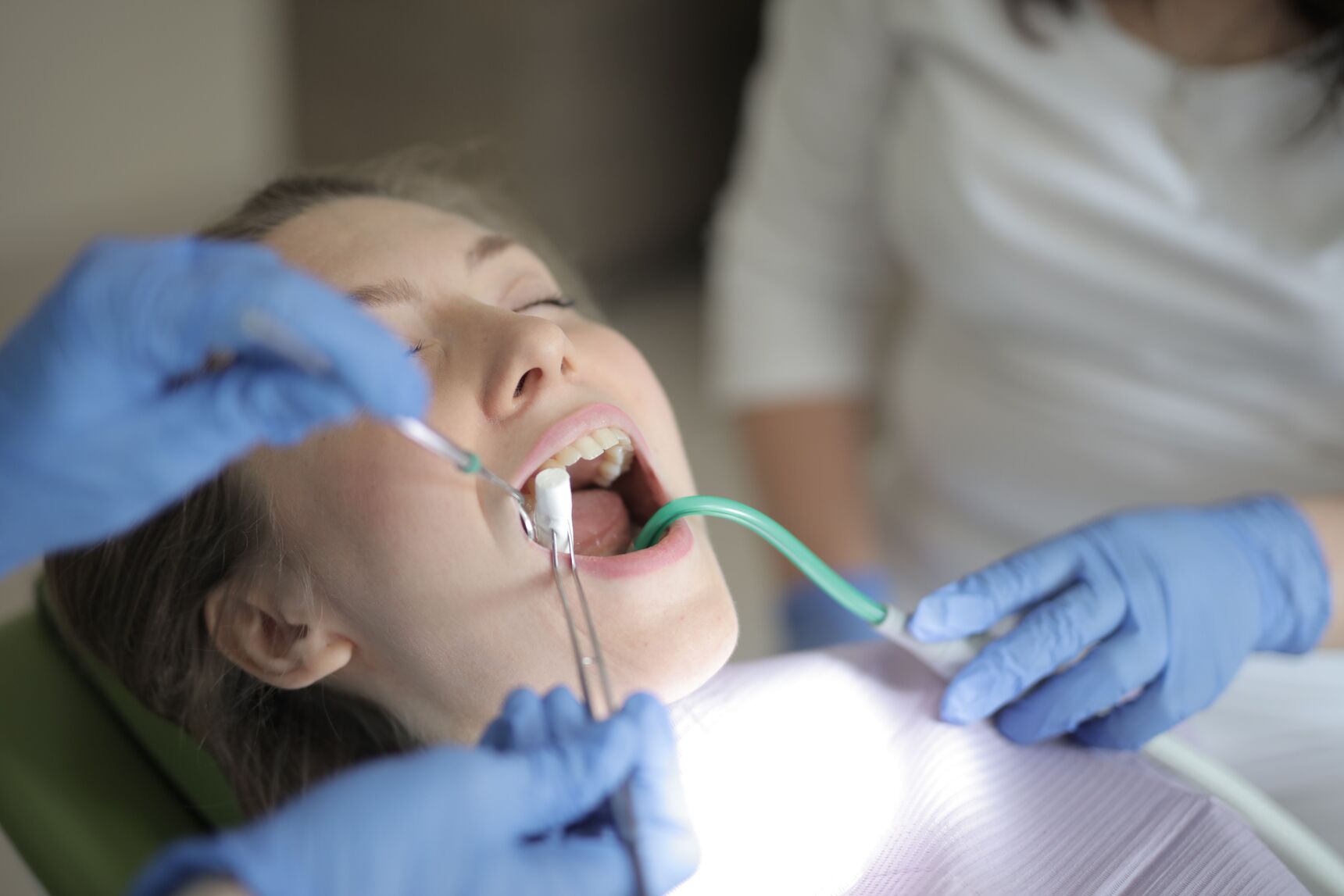
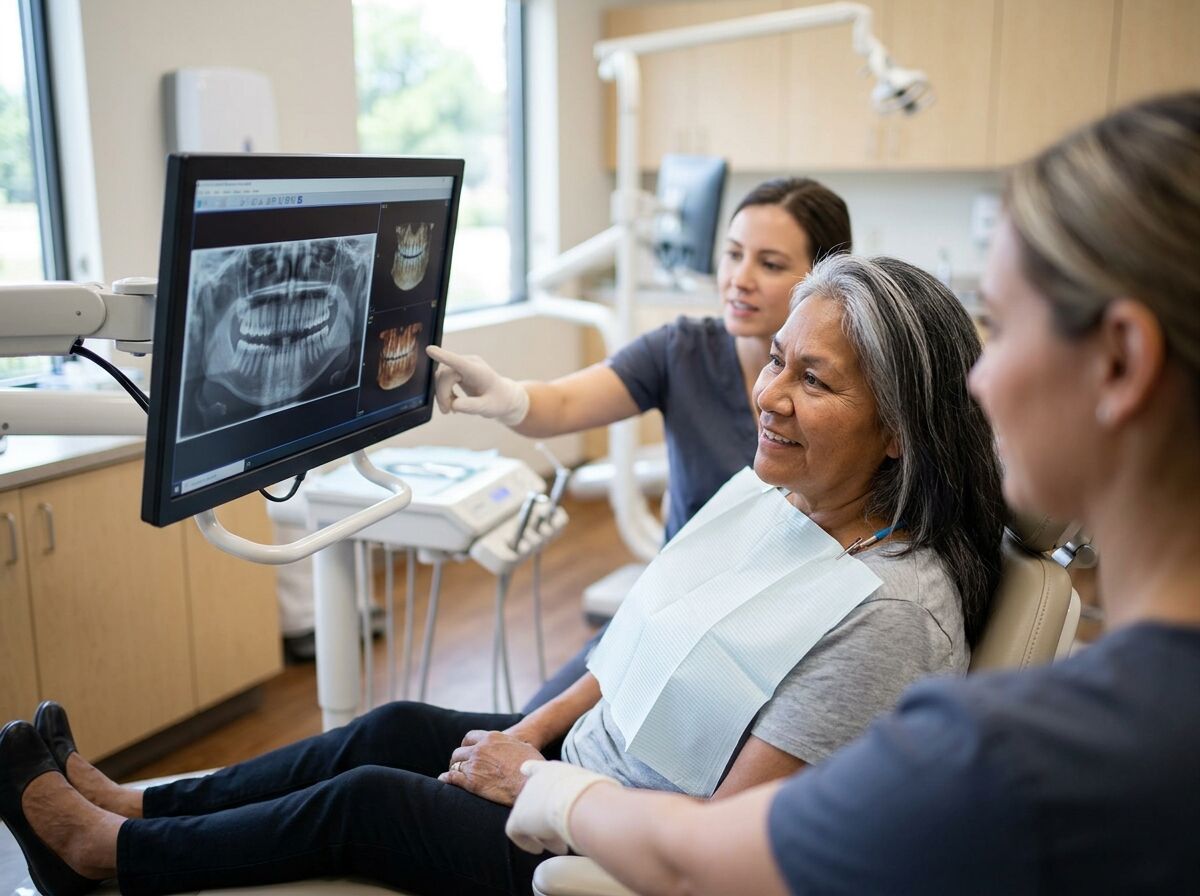
Our dentist examines your teeth, bite, jaw, and existing dental work for signs of grinding, clenching, enamel wear, cracks, or other concerns needing attention.
Health discussion
Our team asks about symptoms such as morning jaw fatigue, tooth sensitivity, sleep habits, and known grinding to better understand your individual concerns and needs.
Dental impressions
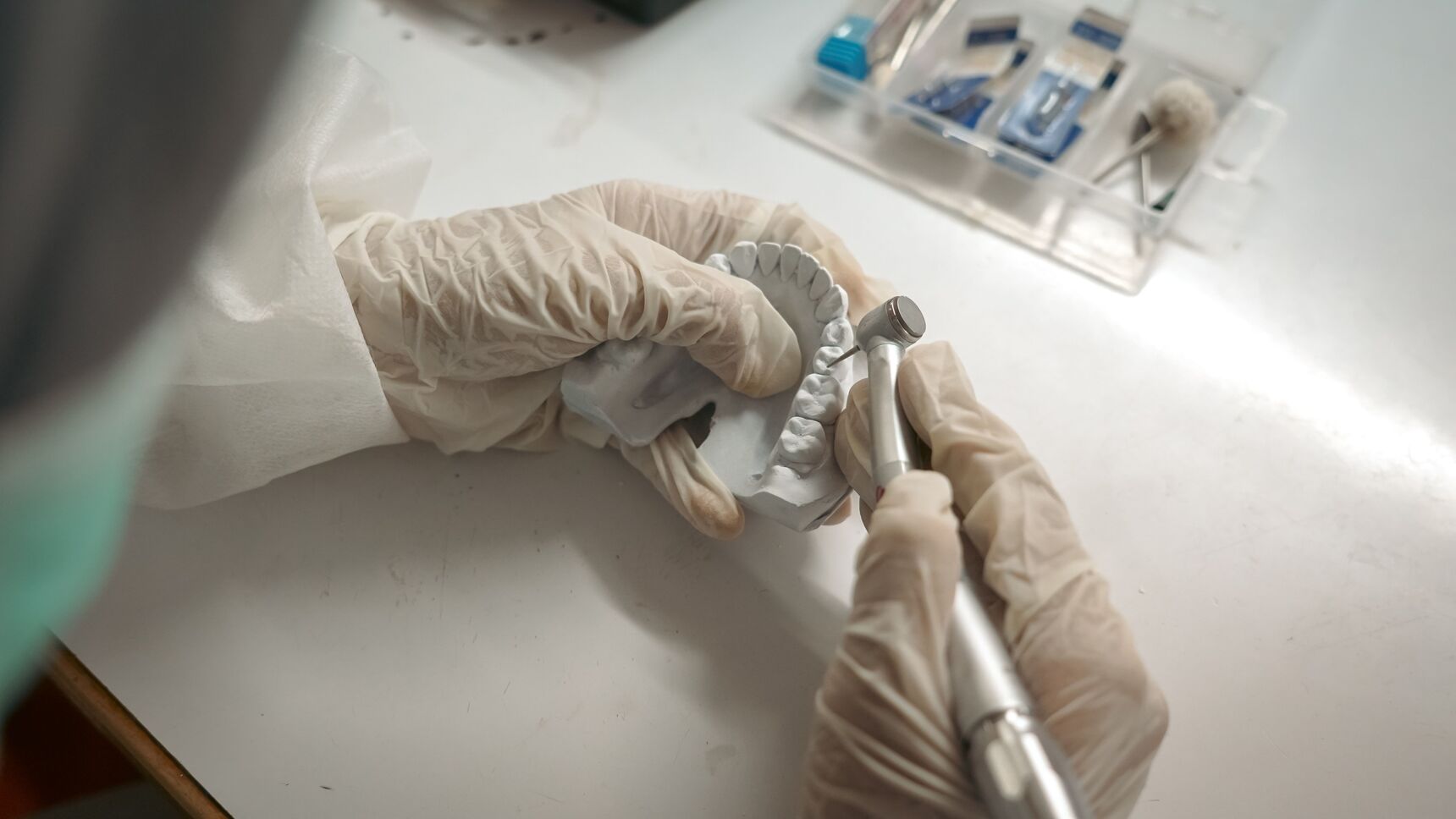
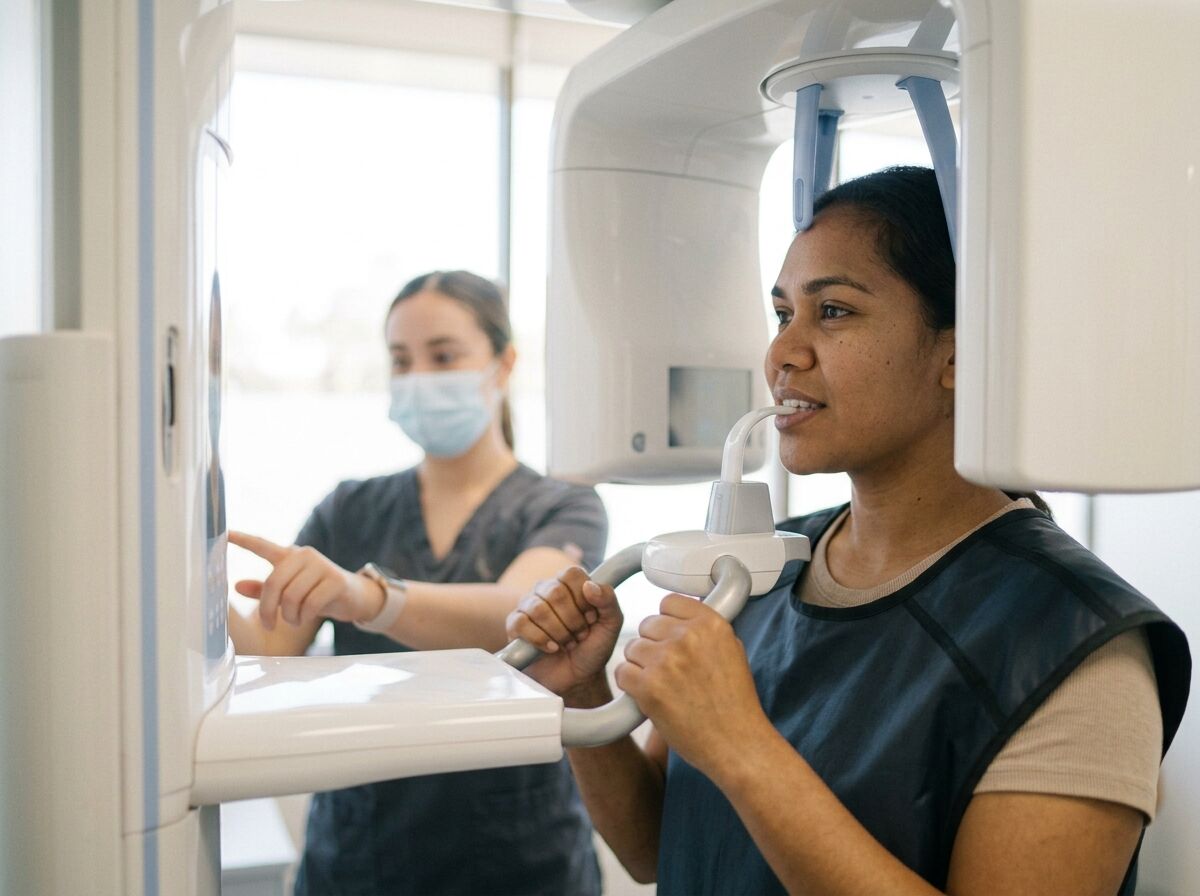
Measurements, impressions, or digital records of your teeth are taken so a nightguard can be made to match the shape and position of your teeth.
Nightguard fitting
Once your appliance is ready, our dentist checks its fit, bite, and comfort and makes adjustments when needed for appropriate everyday use.
Care instructions
Our team explains how to wear, remove, clean, store, and inspect your nightguard so you can care for the appliance properly between dental visits.
How much is a night guard for teeth grinding in Canada?
The cost of a nightguard for teeth grinding can vary depending on factors such as material, customization, and the dental clinic you choose.
During your consultation, our team will provide you with detailed pricing information tailored to your individual needs.
Are night guards covered by insurance in Canada?
Many dental insurance plans in Canada offer coverage for nightguards, especially when they are prescribed to address a diagnosed case of bruxism. Coverage levels and requirements may vary depending on your insurance provider and specific plan.
At-home care after bruxism nightguards
Why choose Gentle Dental Vancouver for bruxism nightguards in Vancouver
Gentle Dental Vancouver provides nightguard care based on an examination of your teeth, bite, jaw, and individual symptoms. Our dentist can look for signs of grinding and discuss whether a protective appliance is suitable for your needs.
Our East Hastings Street location serves patients from Vancouver and nearby communities. Our team explains how to use and maintain your appliance and can assess its condition during future dental visits.
About the Gentle Dental Vancouver team
Our team provides thoughtful dental care and clear guidance to help patients understand their oral health and treatment options.
Ready to get started?
If grinding or clenching is wearing down your teeth, learning about protective options can help you understand the next steps. Our team can assess your concerns and explain nightguard care.
For patients considering bruxism nightguards in Vancouver, an examination can help our dentist determine whether a custom appliance is appropriate for protecting the teeth from ongoing grinding or clenching.
FAQs about bruxism nightguards in Vancouver
How do I know if I grind my teeth?
Some people hear or feel themselves grinding, but bruxism often happens during sleep. Signs can include flattened or chipped teeth, worn enamel, morning jaw fatigue, tooth sensitivity, or damaged dental work. An oral examination can help identify patterns of wear and determine whether grinding or another concern may be involved. Experiencing signs? Call us for care at (604) 260-1571.
What does a nightguard do for bruxism?
A nightguard is custom-made to place a protective layer between the upper and lower teeth. This can help reduce direct tooth-to-tooth contact when grinding or clenching occurs. It does not necessarily stop the grinding habit itself. Instead, its main role is to help protect tooth surfaces and dental restorations from repeated forces and wear.
How is a custom nightguard made?
A custom nightguard is made using records of your teeth, such as impressions or a digital scan. These records help create an appliance shaped for your mouth. Once it is ready, the fit and bite are checked. Adjustments may be made so the appliance sits properly and works as intended during use. Are you interested? Contact us at (604) 260-1571 to schedule an evaluation today.
How should I clean my nightguard?
Rinse your nightguard after removing it and clean it using the method recommended by your dental care provider. Allow it to dry before storing it in its case. Keep the appliance away from excessive heat, which may affect its shape. Regular cleaning also makes it easier to inspect for cracks or wear.
Can new patients be assessed for teeth grinding?
Yes. An assessment can include a review of your symptoms, oral health, tooth wear, bite, and existing dental work. Providing complete health and dental information helps our dentist understand possible contributing factors and determine whether further assessment is needed. Visit our New Patients page to schedule your personalized visit.
How long does a bruxism nightguard last?
The lifespan of a nightguard varies with grinding strength, frequency of use, appliance material, cleaning habits, and changes in your teeth or bite. Some people wear through an appliance sooner than others. Regular checks can identify cracks, thinning areas, rough surfaces, or fit changes that may affect how the nightguard functions.
Should I wear my nightguard every night?
How often you wear a nightguard depends on your individual treatment plan and the reason it was provided. Many appliances for nighttime grinding are worn while sleeping, but instructions can vary. Following the recommended schedule helps the appliance serve its intended purpose, while periodic dental checks can assess its fit, wear, and condition.